




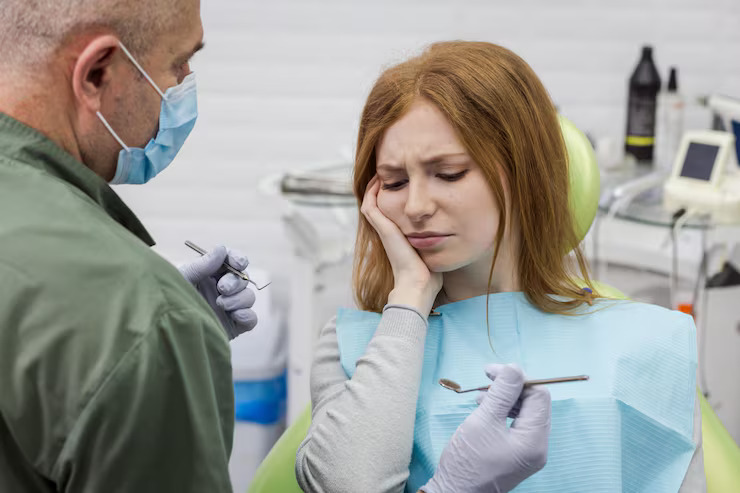
Pain around the jaw can make simple activities such as eating, speaking, or yawning uncomfortable. It may also come with clicking sounds, stiffness, headaches, or trouble opening the mouth fully. TMJ Treatment in Davie can help identify what may be causing these problems and determine an appropriate way to manage them. TMJ disorders affect the joints and muscles that help your jaw move. The cause is not always easy to identify, and symptoms can range from mild discomfort to ongoing pain that affects daily activities.
Learning about common causes, warning signs, and available treatment choices can help you understand when it may be time to have your jaw checked.
What Is a TMJ Disorder?
The temporomandibular joints connect your lower jaw to your skull. They help you open and close your mouth and move your jaw from side to side. A TMJ disorder can affect these joints, the muscles around them, or both.
The condition can cause discomfort on one or both sides of the face. Symptoms may come and go or continue over time, depending on the underlying cause.
What Are the Common TMJ Disorder Symptoms?
Knowing the signs of a TMJ disorder can help you understand when your jaw may need attention. Common symptoms include:
- Pain or soreness in the jaw
- Pain near the ear or side of the face
- Clicking or popping when you move your jaw
- Trouble opening or closing your mouth
- A stiff jaw or reduced jaw movement
- Pain when chewing
- Headaches along with jaw pain
- A change in how your teeth fit when you bite
A clicking or popping sound does not always mean you have a serious problem. However, jaw pain, trouble moving your jaw, or symptoms that affect your daily activities should be checked by a dental professional.
What Causes TMJ Jaw Pain?
There is not always one clear answer to what causes TMJ jaw pain. Several factors may contribute to discomfort or place extra stress on the jaw joints and muscles.
Possible causes include:
- Teeth grinding or clenching.
- Jaw injury or trauma
- Stress that leads to muscle tension
- Arthritis affecting the jaw joint
- Problems with jaw movement
- Strain from repeated chewing or habits that overwork the jaw
A dental evaluation at a dental office near you can help narrow down the likely cause instead of assuming that one factor is responsible.
How Is a TMJ Disorder Diagnosed?
Diagnosis usually starts with a discussion about your symptoms and a physical examination of your jaw. The jaw may be checked for tenderness, movement, sounds, and areas of discomfort.
Your bite and teeth may also be examined to look for factors that could affect jaw function. In some situations, dental imaging may be recommended to provide a closer look at the joint or surrounding structures.
If you are searching for a dentist in Davie, a dental evaluation can be a useful first step when jaw pain or movement problems continue.
What Are the TMJ Treatment Options?
The appropriate TMJ treatment options depend on the cause, severity, and duration of your symptoms. Treatment often begins with conservative approaches before more involved procedures are considered.
Depending on your needs, treatment may include:
- Eating softer foods for a short period to reduce strain
- Using warm or cold compresses as advised
- Avoiding habits such as chewing gum or clenching the jaw
- Using prescribed or recommended medication when appropriate
- Exercises or other care to support comfortable jaw movement
- A custom oral appliance in selected cases
- Further treatment when a specific joint or jaw problem requires it
Treatment should be based on an individual evaluation rather than a one-size-fits-all approach.
Take the Next Step Toward Comfortable Jaw Movement!
Persistent jaw pain can affect everyday activities, but understanding the possible cause is an important first step. A proper evaluation can help identify the source of your symptoms and guide suitable care.
Book an appointment with Regency Square Dental to discuss your jaw symptoms and explore appropriate treatment options.
FAQs
Can stress cause TMJ problems?
Stress can contribute to jaw clenching or muscle tension, which may increase pressure around the jaw. Managing the contributing habit may help reduce symptoms in some cases.
Does every clicking jaw need treatment?
No. A clicking or popping jaw does not always need treatment if there is no pain or trouble moving the jaw. If you have pain or changes in jaw movement, talk to a dentist.
Can TMJ problems go away on their own?
Yes, some jaw problems may get better on their own. Avoiding habits that put stress on your jaw may help. If the pain continues, gets worse, or becomes severe, see a dentist for a check-up.
Is surgery always needed for a TMJ disorder?
No. Many cases can be managed with conservative care. Surgery is generally considered only when specific joint problems require a more involved approach.