




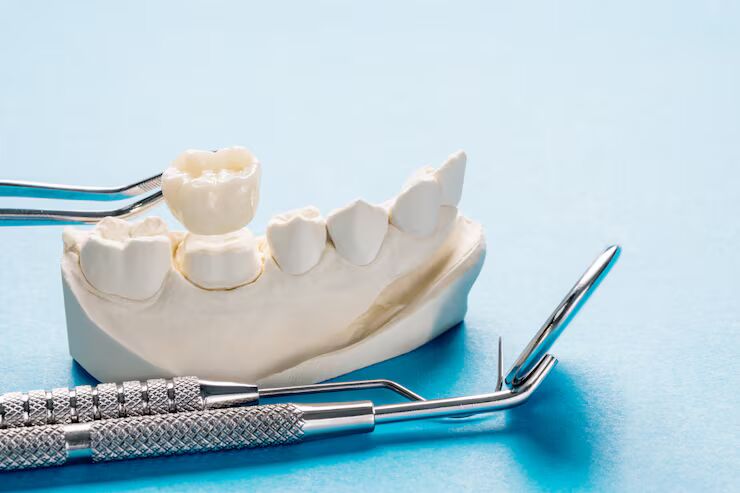
If your dentist has recommended a dental bridge, you might be wondering what the process actually looks like from start to finish. The good news is that it is simpler and more straightforward than most people expect.
Understanding the dental bridge treatment steps before you go in can help you feel calm, prepared, and ready to move forward with confidence. This guide covers everything — what happens before, during, and after your treatment.
What Is a Dental Bridge?
A dental bridge is a fixed restoration that fills the gap left by one or more missing teeth. It uses the teeth on either side of the gap—called abutment teeth—as anchors, with an artificial tooth sitting in the space between them.
The bridge is permanently cemented in place. It looks, feels, and functions like a natural tooth. You eat with it, speak with it, and care for it just like your other teeth.
Before Treatment: Getting Ready
Knowing what to expect with a dental bridge starts well before the first appointment.
When you inquire about dental bridges in Davie, your dentist will begin with a thorough examination. This includes:
- A detailed look at the teeth on either side of the gap
- X-rays to assess the health of the supporting teeth and surrounding bone
- A discussion about your goals, concerns, and what the process involves
- Confirmation that the abutment teeth are strong enough to support the bridge
If any issues are found — such as decay or gum disease — these will need to be treated before the bridge can be placed. Your dentist will walk you through everything clearly so there are no surprises.
During Treatment: The Two Appointments
Getting a dental bridge usually takes two appointments spread one to two weeks apart.
First Appointment
- A local anesthetic is used to numb the area completely
- The two abutment teeth are gently shaped to make room for the crowns that will anchor the bridge
- An impression or digital scan of your teeth is taken and sent to a dental lab
- A temporary bridge is placed to protect the shaped teeth and fill the gap while your permanent bridge is being made
Most patients are pleasantly surprised by how comfortable this appointment is. The numbing works well, and the procedure itself is quick and smooth.
Second Appointment
- The temporary bridge is removed
- The permanent bridge is placed and checked carefully for fit, colour, and bite
- Small adjustments are made if needed to make sure everything feels natural
- The bridge is permanently cemented into place
Your dentist will check your bite one final time before you leave to make sure everything feels right.
After Treatment: Recovery and Adjustment
Recovery after getting a dental bridge is generally very straightforward. Here is what to expect in the days and weeks that follow.
In the first few days:
- Mild sensitivity to hot and cold is common and usually settles quickly
- The bite may feel slightly different at first — this is normal
- Soft foods are recommended for the first day or two
A dental office in Davie will give you clear aftercare instructions to follow. If anything feels uncomfortable or your bite still feels uneven after a few days, a quick adjustment appointment can sort it out easily.
Long-Term Care for Your Bridge
With the right care, a dental bridge can last 10 to 15 years or longer. Keeping it in good shape is simple.
- Brush twice a day with a soft toothbrush
- Use a floss threader or water flosser to clean under the bridge—regular floss cannot reach this area
- Avoid chewing on very hard foods like ice or hard sweets
- Visit your dental office near you regularly for check-ups and professional cleaning
A Complete Smile Is Closer Than You Think — Visit Regency Square Dental
Having a missing tooth is no longer an option. A dental bridge is a permanent and effective answer to filling the gap and bringing back your smile and your self-confidence.
At Regency Square Dental, we believe in being completely upfront and making each part of your treatment as comfortable and easy as possible. Book your consultation to start your journey to a full, strong, and happy smile today.FAQs
Will getting a dental bridge hurt?
No, the procedure is done under local anesthetic, and as a result, very few people experience any pain during treatment. It is quite normal to have some tenderness for a couple of days following the procedure.
How long does the dental bridge process take from start to finish?
Most patients complete the process in two appointments over one to two weeks. The first appointment involves preparation and impressions, and the second involves fitting and cementing the permanent bridge.
Will I be able to eat normal foods with my temporary bridge?
Yes, though be careful not to eat anything very hard or chewy or anything sticky, as this may dislodge the temporary bridge until your permanent replacement is ready.
Is a dental bridge better than a dental implant?
Both are effective solutions for missing teeth. A bridge does not require surgery and is generally completed faster, while an implant replaces the tooth root and does not involve the neighbouring teeth. Your dentist can help you decide which is the better fit for your specific situation.