




Sports are an important part of a healthy, active life. But they also come with risks — and one of the most overlooked risks is dental injury. A knocked-out tooth, a broken jaw, or a split lip can happen in seconds during almost any sport. The good news is that one simple, affordable device can dramatically reduce that risk.
Understanding how sports mouth guards protect teeth during sports is the first step toward making sure you or your child never has to experience a preventable dental emergency on the field or in the gym.
What Is a Sports Mouth Guard?
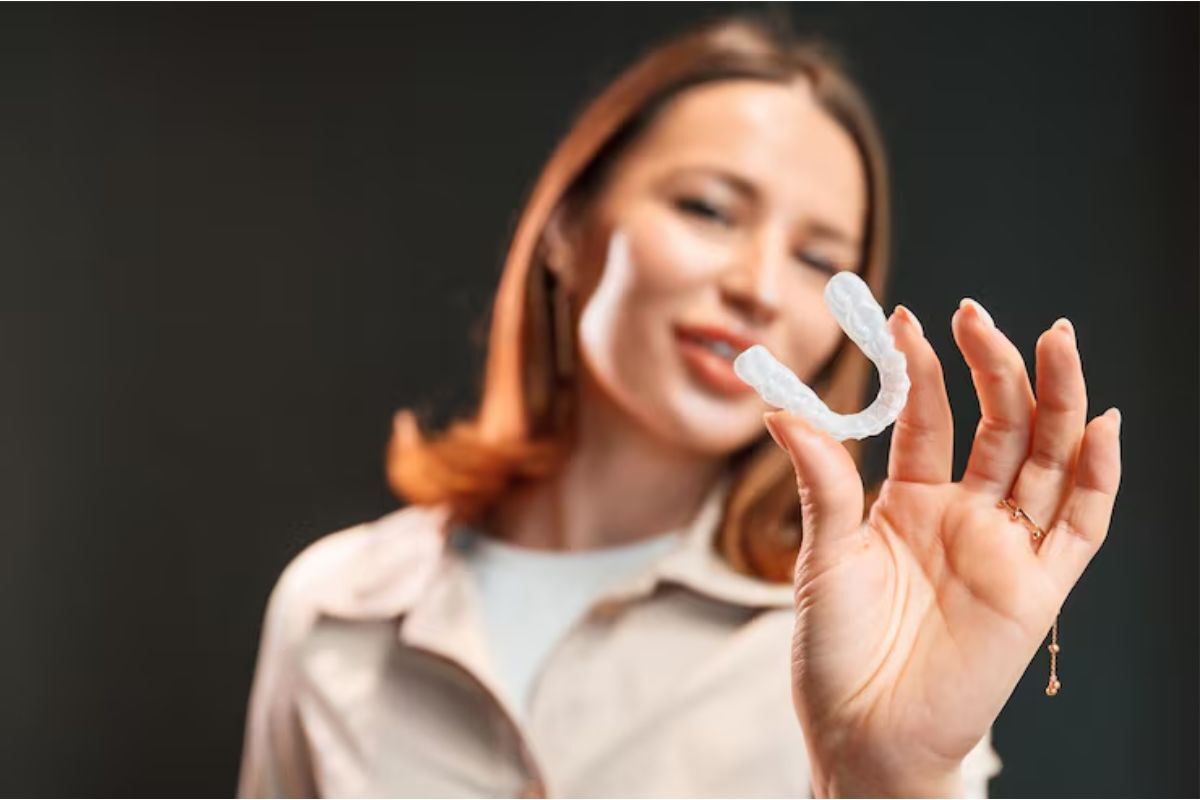
A sports mouth guard is a protective device worn over the teeth during physical activity. It is made from a soft, flexible material that absorbs and distributes the impact force from collisions, falls, or direct hits to the face.
It fits over the upper teeth and acts as a cushion between the upper and lower jaws. When an impact occurs — whether from a ball, another player, or a fall — the mouth guard absorbs that force before it reaches your teeth, gums, jaw, and surrounding bone.
If you are looking for a sports mouth guard it is important to understand that not all mouth guards are created equal. There is a significant difference between a custom-made guard from your dentist and a generic version from a sports shop.
Who Should Wear a Sports Mouth Guard?
The short answer is anyone who plays a sport where there is a risk of contact or collision.
This includes:
- Hockey — one of the highest-risk sports for dental injury
- Football and rugby
- Basketball and soccer
- Baseball and softball
- Martial arts and boxing
- Cycling and skateboarding
- Gymnastics
- Wrestling
But it is not just about contact sports. Any sport where a fall, collision, or impact to the face is possible carries dental risk. Even recreational sports—weekend basketball, cycling, or touch football—carry a real risk of dental injury if you are not protected.
Children, teenagers, and adults alike benefit from wearing a sports mouth guard. Dental injuries do not discriminate by age or skill level.
How Sports Mouth Guards Protect Teeth During Sports
Here is a more detailed look at exactly what a mouth guard does during an impact:
It Absorbs and Distributes Force
If your mouthguard is struck on the chin or face, the material compresses and then expands outwards, distributing the impact over a much larger surface. Instead of the entire force being transferred to one or two teeth, it is distributed by an amazing factor.
It Prevents Teeth From Hitting Each Other
During a sudden impact, the upper and lower teeth can crash together with tremendous force. This is a common cause of tooth fractures and chips. A mouthguard creates a soft barrier between the two rows of teeth—preventing that direct contact.
It Protects the Soft Tissues
The lips, cheeks, and tongue can be badly cut or lacerated when teeth are driven against them during impact. A mouth guard cushions the inside of the mouth, reducing the risk of these painful soft tissue injuries.
It Reduces the Risk of Jaw Fracture
By cushioning the lower jaw against the upper jaw during impact, a mouthguard also helps reduce the force transmitted to the temporomandibular joint and surrounding bone lowering the risk of jaw fracture.
It May Reduce the Risk of Concussion
Some research suggests that properly fitted mouthguards may help absorb some of the forces that contribute to concussions—particularly when the impact comes from below the chin. While mouth guards are not a concussion prevention device on their own, this is an additional benefit worth noting.
Benefits of Wearing a Sports Mouth Guard
The benefits of wearing a sports mouth guard go well beyond just protecting your teeth in the moment.
Here is a clear overview:
| Benefit | What It Means for You |
| Tooth fracture prevention | Protects against chips, cracks, and breaks |
| Knocked-out tooth prevention | Reduces risk of complete tooth avulsion |
| Soft tissue protection | Guard the lips, cheeks, and tongue from cuts |
| Jaw protection | Reduces force on the jaw joint and bone |
| Cost savings | Prevents expensive emergency dental treatment |
| Confidence during sport | Play without constant worry about dental injury |
| Easy to use | Wear it, remove it—no disruption to your game |
A single custom mouth guard costs a fraction of what emergency dental treatment for a knocked-out or fractured tooth would cost. It is one of the most cost-effective pieces of protective equipment available.
Custom vs. Over-the-Counter Mouth Guards — What Is the Difference?
A personalized dental solutions will tell you that there is a significant difference between a professionally made custom mouth guard and one bought off a shelf at a sports store.
Here is a simple comparison:
| Feature | Custom Mouth Guard | Over-the-Counter Guard |
| Fit | Precisely fitted to your exact teeth | Generic — loose and bulky |
| Comfort | Comfortable enough to wear consistently | Often uncomfortable—may be left out |
| Protection level | Maximum — designed for your bite | Limited — does not fit your mouth |
| Breathing and speaking | Easy — does not interfere | Can restrict breathing and communication |
| Durability | Long-lasting with proper care | Wears out quickly |
| Recommended for regular sport | Yes—strongly recommended | Not ideal for serious protection |
A mouth guard only protects you if you are actually wearing it. A comfortable, well-fitted custom guard is far more likely to be worn consistently than a bulky, uncomfortable store-bought alternative.
How a Custom Mouth Guard Is Made
Getting a custom mouth guard from your dentist is a simple two-step process:
- Impression or digital scan—your dentist takes a precise mould of your teeth, capturing the exact shape and size of your mouth
- Laboratory fabrication—the guard is custom-made from high-quality material to fit your teeth exactly
The result is a guard that stays in place during activity, does not interfere with breathing or speaking, and provides the level of protection your teeth deserve.
How to Care for Your Sports Mouth Guard
The correct treatment of your mouthguard will prolong its life and keep it hygienic:
- Rinse in cold water before and after wearing it
- Brush it carefully with a soft toothbrush and a mild soap
- Store it in its protective case when not in use
- Keep it away from heat—never leave it in a hot car or expose it to hot water
- Check it regularly for cracks or wear, and replace it when needed
- Bring it to dental checkups so your dentist can assess its condition
With proper care, a custom mouth guard typically lasts one to two years. Growing children may need more frequent replacements as their teeth change.
Protect Your Smile Before the Whistle Blows
Dental injuries happen fast — in a split second, during a moment of distraction or bad luck. A sports mouth guard does not slow you down. It does not affect your performance. It simply protects your teeth, your jaw, and your soft tissues so that one moment of impact does not turn into months of dental treatment and recovery.
At Regency Square Dental, a explore our dental office who understands the importance of protecting your smile is ready to help. Their experienced and friendly team provides custom-fitted sports mouth guards for patients of all ages and activity levels.
Book your appointment with us today and take the first step toward playing the sport you love—safely and confidently.
Frequently Asked Questions:
Q1. At what age should children start wearing a sports mouth guard?
Children should begin wearing a mouthguard as soon as they start participating in contact or impact sports—even at a young age. A dentist can provide appropriately sized guards for children and advise on when replacements are needed as the mouth grows.
Q2. Can I wear a sports mouth guard if I have braces?
Yes, there are mouth guards specifically designed to accommodate braces. A custom guard made by your dentist can be fitted to protect both the braces and the soft tissue of the mouth during sports.
Q3. How often should I replace my sports mouth guard?
For adults, custom mouth guards are durable and should last 1 to 2 years with careful use and maintenance. For children, you’ll likely have to replace their mouth guard more often as their teeth and mouth grow and develop.
Q4. Is a mouth guard also effective for grinding the teeth and for sports protection?
Yes, although mouth guards for sports and night guards for teeth grinding are a bit differently designed, you can consult your dentist to see if the same guard could fulfill both of your requirements or not.